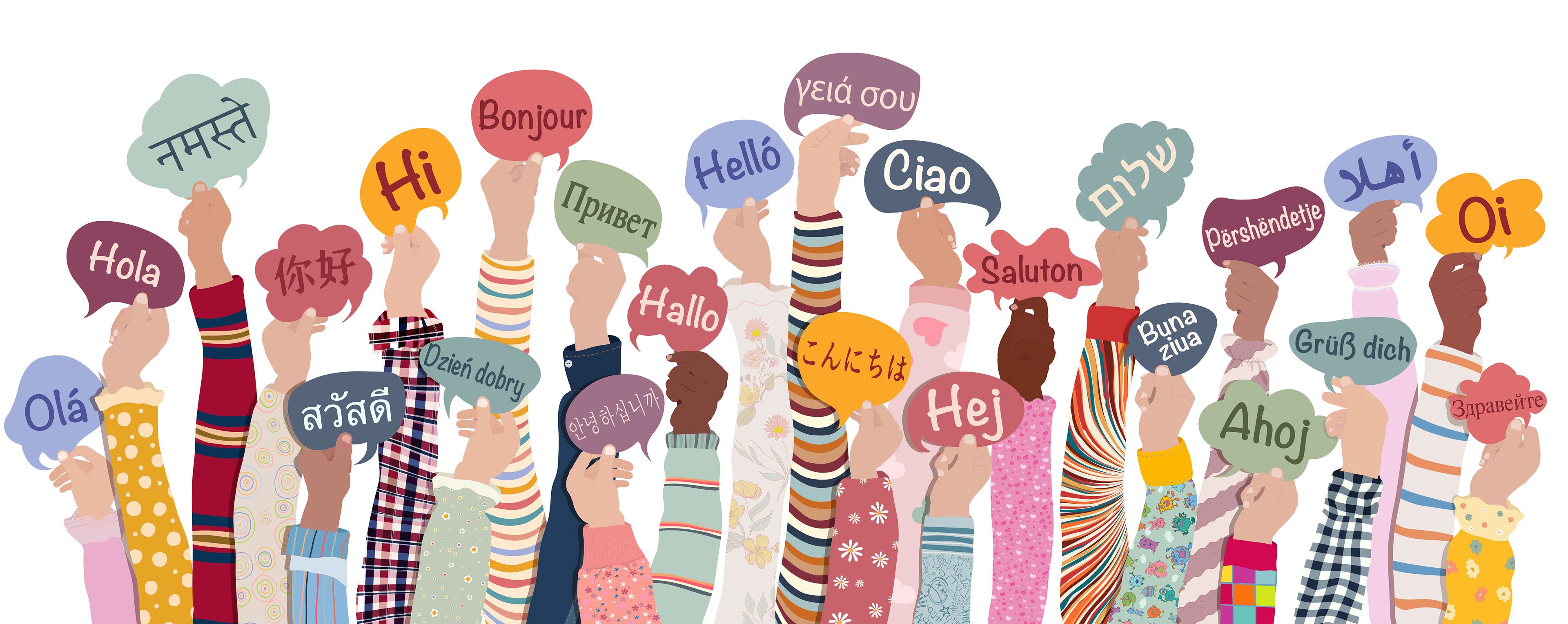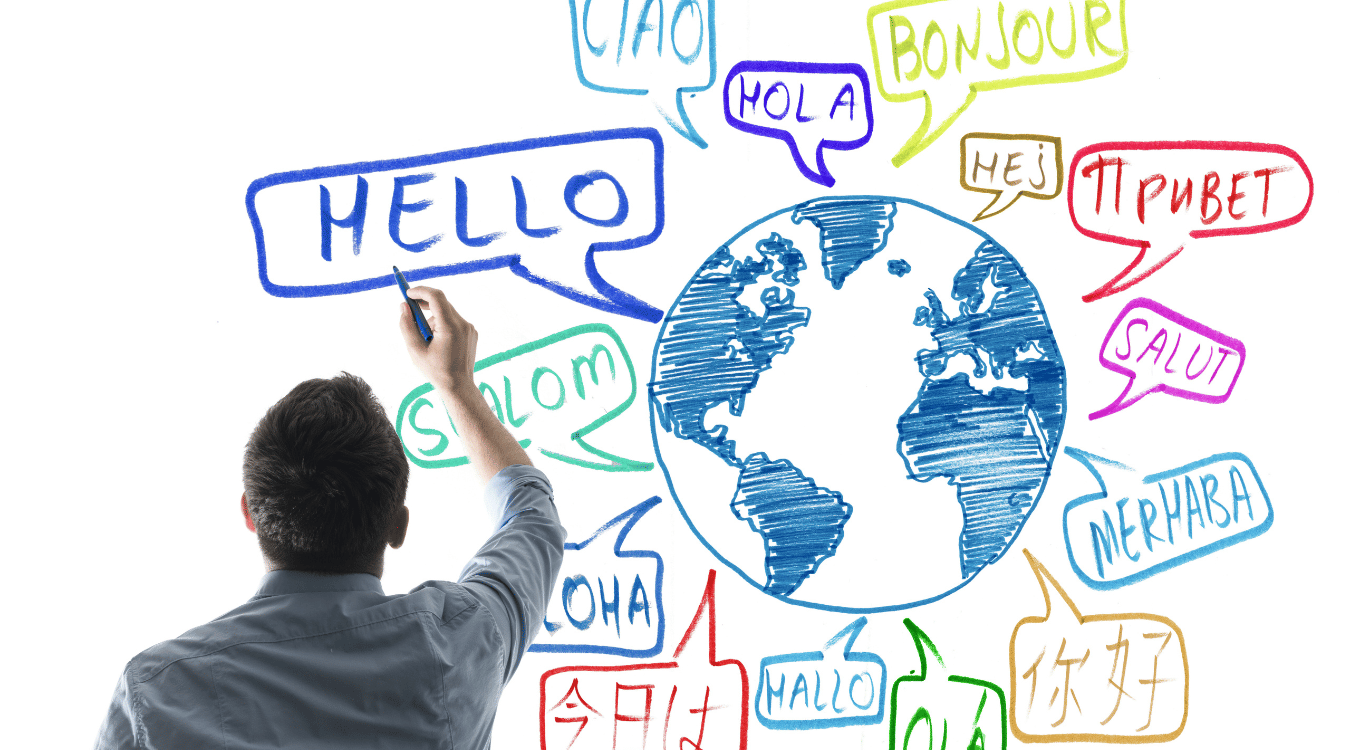
For centuries, languages have been preserved and passed down through generations, instilling culture, tradition and community. Today, they still manage to push through the natural steering-off and fading-out of them. This paper will explore whether the ability to speak more than one language is unnecessary, expressing my viewpoint on the topic. For the sake of this study, the term 'unnecessary' means not needing the trait to progress forwards in a positive way in the 21st century. This serves as a widely controversial topic - sensitive to many groups and considered useless by others. Trends and opinions over time show that, in the next few years, people may largely believe we need to leave speaking multiple languages behind.
In an age where English dominates the Internet, businesses and education, some argue that learning multiple languages is becoming redundant. However, language is a key part of identity and heritage. Languages give people a sense of community and belonging, which is essential for human connection. They hold traditions, stories and histories unique to each individual country. In almost every case, the loss of a language signifies the death of a cultural perspective on the world, carrying great weight for the relevance of many regions. For example, African slaves were taught English and were forbidden to use their indigenous languages, preventing them from communicating freely with one another. This suggests that while the slaves were forced into conforming to higher powers - and although it worked for a while - they were stripped of any connection with their own people, creating alienation among the various groups. Speaking only one language comes at the expense of diversity and cultural expression.
Speaking multiple languages offers not only intellectual advantages but also significant practical value in a shallow world. Research shows that multilingual individuals display greater cognitive flexibility, memory retention and problem-solving skills. Switching between languages strengthens the brain’s executive functions, improving focus and adaptability in both academic and everyday settings. Moreover, learning new languages enhances empathy, as it encourages understanding of different cultures and perspectives. These cognitive and emotional benefits are mirrored in real-world applications. Employees who can communicate across languages help companies expand globally, negotiate more effectively and build stronger relationships with clients - especially in a world full of 'screen zombies' who believe otherwise because of AI-powered translation apps. For example, a humanitarian worker who speaks local languages can navigate sensitive contexts far more effectively than one relying solely on digital translation. This shows that multilingualism is not an outdated skill but an essential one, enabling individuals to think more creatively and connect more deeply in an increasingly interconnected world.
Multilingualism is not an outdated skill but an essential one, enabling individuals to think more creatively and connect more deeply in an increasingly interconnected world.
Some argue that holding onto multiple languages prevents societies from progressing efficiently in an increasingly globalised world. They claim that maintaining countless languages divides communities, slows communication and creates unnecessary barriers in education and business. For instance, in countries like India, where hundreds of regional languages are spoken, the lack of a single dominant language often complicates governance and national unity. Official documents and education systems must constantly adapt to multiple linguistic groups, making policymaking slower and more expensive. In contrast, nations that have adopted a common language, such as English in Singapore, have seen faster progress, stronger economic growth and greater access to global markets. However, while this example shows the benefits of speaking one language, it also raises concerns about cultural loss. In Singapore’s case, the dominance of English has led many young people to lose fluency in their ancestral tongues, weakening intergenerational communication and cultural identity. So, although reducing language diversity can increase progress and make global communication easier, it also risks erasing the cultural richness that language carries. The challenge, then, lies in finding a balance - promoting a shared language for practicality while still protecting the smaller languages that preserve cultural identity and heritage.
In conclusion, despite English dominating the world’s view on languages, multilingualism remains saturated with value. Cultural preservation, cognitive benefits, and global connection lie within the palms of languages; without them, we risk the extinction of all the positives that stem from these. As languages begin to fade, we risk losing the stories, emotions, and wisdom of entire communities. Unlike those who believe digital AI-powered translation systems can replace multilingualism, the fate of division is inevitable, so humanity should try its hardest to maintain a strong connection.