Overview: Two Worlds Collide
Encompassing empowering images of ambition and aspiration, scenes capturing the striking disparities between upper and lower classes, and revealing the hostile and vigorous reality that proletarian communities endure—right through to the final visual synopsis of heinous crimes—is what this film brilliantly portrays and strikingly exposes.
Step Up is a 2006 dance-drama film featuring Channing Tatum’s character’s journey, progressing from a secluded community of deviance—fuelled by the lower class’s hegemony—to excelling and advancing his dancing capabilities and thriving in the competitive, diverse, and artistic environment of the Maryland School of the Arts. Throughout the film, viewers are shown the glaring contrast between Tyler’s world—a foster juvenile struggling within the oppressive confines of lower-class networks of criminal activity, engaging in vehicle theft—and Nora’s world, a female adolescent residing in an upper-class society, revealing the multitude of opportunities she is entitled to. Their relationship begins when Tyler is sentenced to 200 hours of community service at Nora’s school after a vandalism spree. By the end, Tyler has successfully escaped his degenerate lifestyle and captured his first steps toward a new beginning.
All human relationships, even the ones that 'do not fit on paper', are possible—just like all individuals striving for their utmost hopes and dreams.
Inequality, Class, and Deprived Lives
The central themes of the movie include the shifting dynamics between upper and lower classes, the alarming criminal and perilous nature of lower-class society, and emboldening notions of claiming your dreams. Firstly, as the movie approaches its final resolution, Skinny—one of Tyler’s closest friends—is shot and lamentably passes away at the age of 14. Tyler and his friends reside in an impoverished area of Baltimore, Maryland. According to CCJ, over the past six years the highest homicide rate in Baltimore during the first half of the year was in 2022, when the reported rate was 32.1 per 100,000 residents. The gun-assault rate in 2022 reached a striking 154.9 per 100,000 residents. The film’s purpose here was to portray the harsh and terrifying circumstances underprivileged communities are forced to endure by showcasing a beloved character’s life aggressively ripped away from him.
Furthermore, class inequalities and stark differences are emphasised throughout the movie to illustrate how people from differing backgrounds do indeed have utterly distinct experiences, yet both can achieve their goals and aspirations through agility and determination. For instance, we have a scene depicting Tyler’s family life: his foster father languidly drinking a beer while his foster mother hurriedly serves food to all three kids before rushing off to work her fourth shift of the day. This is directly accompanied by the image of Nora and her mother silently enjoying their dinner while surrounded by the picturesque interior of their home. Nonetheless, both characters seize their dreams in the end, designating this sense of the impossible becoming a monumental yet achievable reality.
Cinematography: Separate but Parallel Worlds
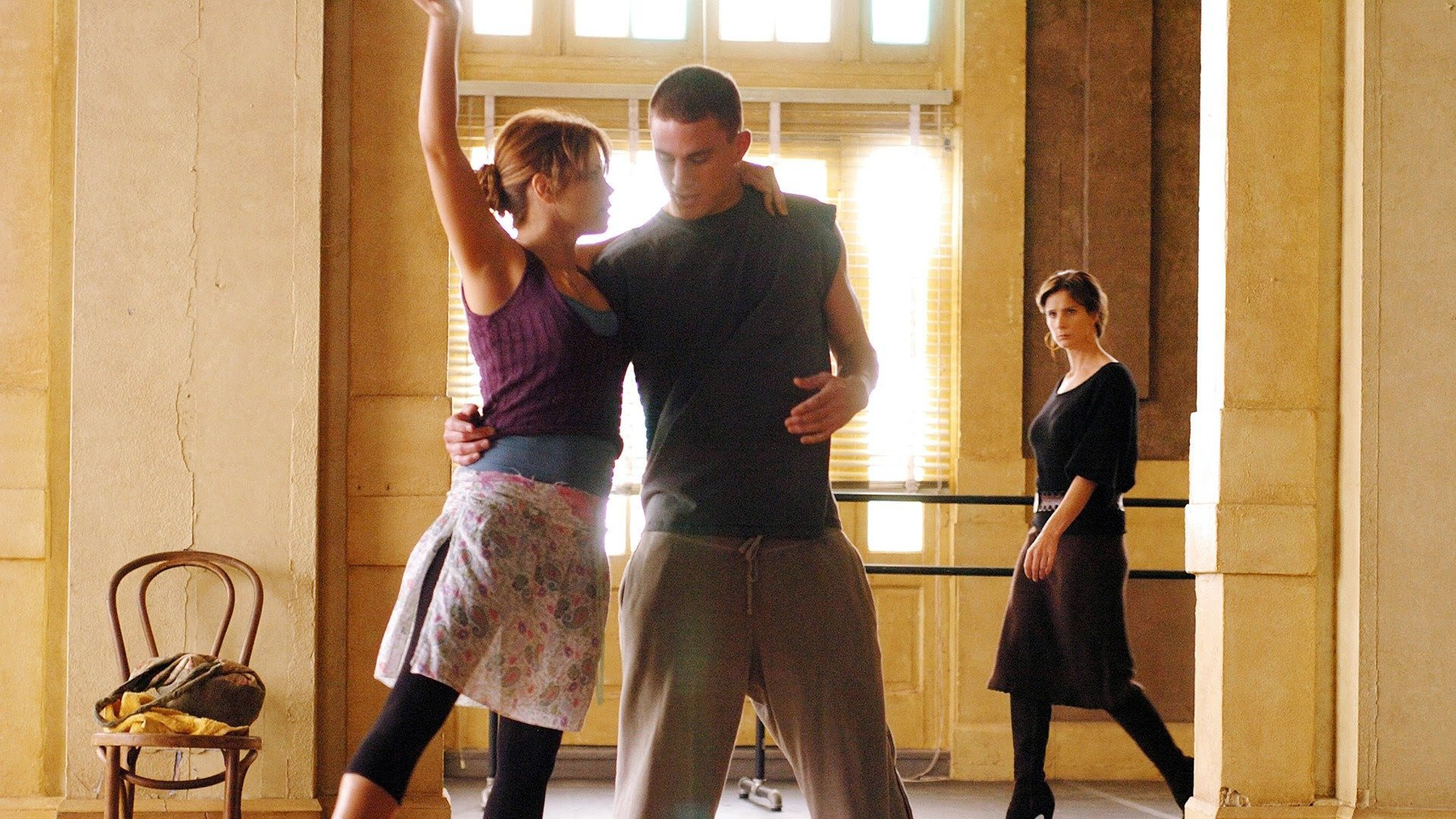
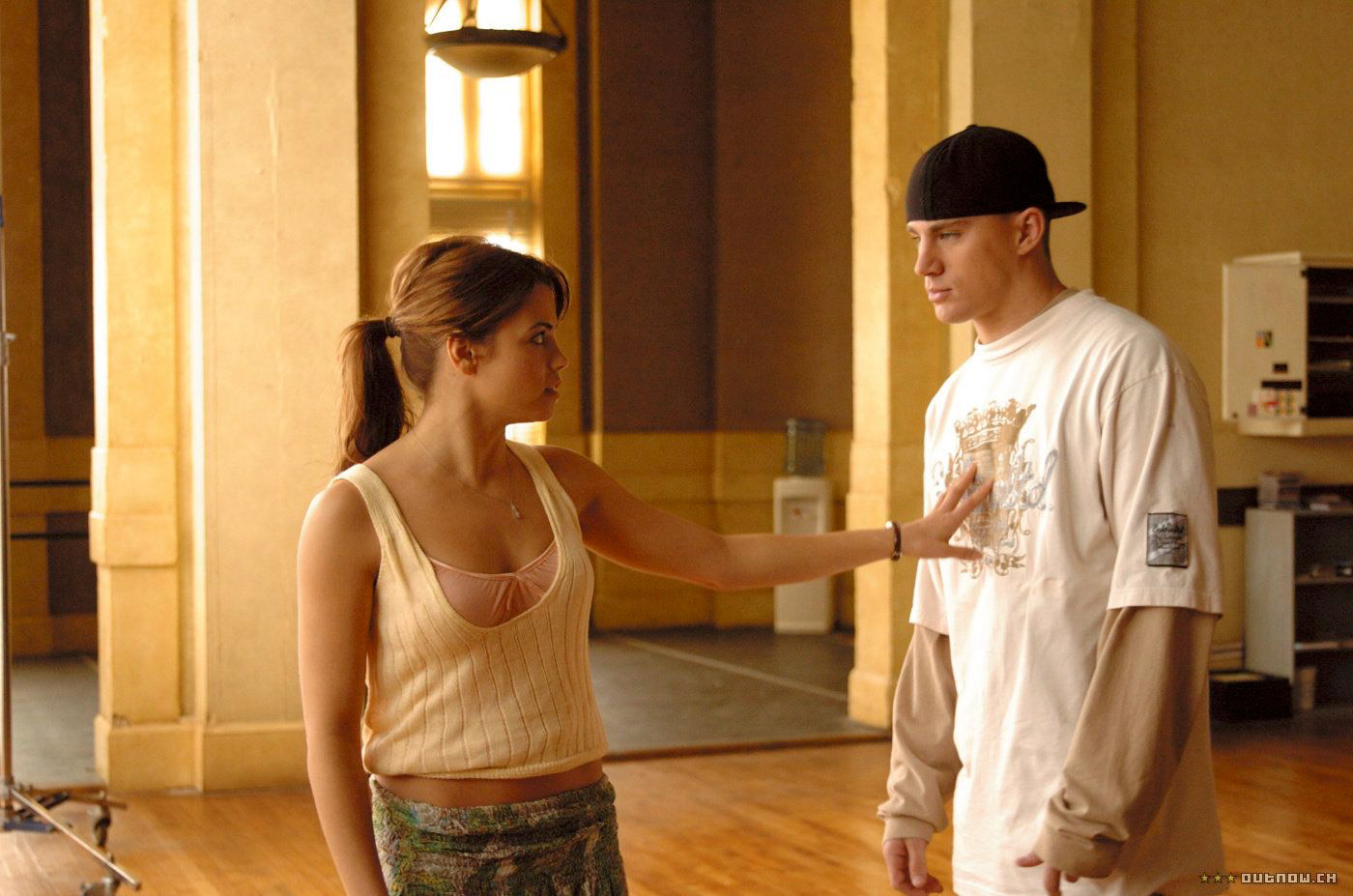
Decrepit cars, frayed clothes reclining on thin barbed wires, and debris scattered among pebbles stand in direct antithesis to white cobblestones without a hint of deformity, sublime houses composed within elegant architectonic styles, and vibrant flora surrounding picturesque parks. These two parallel dimensions depicted in the film are the separate 'units' the lead characters reside in. The settings portray the concerning impoverishment lower classes face in multiple aspects of daily life—including their immediate surroundings and even the educational sector. For instance, Tyler’s school is a compact building clearly demonstrating its inability to support adequate facilities, whereas Nora’s school is a grand, impressive edifice with a theatre and professional recording studios. Yet Nora’s school grants scholarships to students from economically deprived backgrounds, enhancing the theme of interconnection between these contrasting worlds.
Furthermore, the cinematography successfully captures the characters’ relationships. When Tyler and Nora first meet, the lens zooms in on their faces, encapsulating their undeniable chemistry. Additionally, the camera follows the dancers’ movements, creating a visual interaction between the audience and the actors.
Acting and Music: Coming Together
Anne Fletcher, the director, brilliantly showcases the strikingly different behaviours individuals adopt from differing socioeconomic backgrounds. An epitome of such distinctions is the scene where Tyler and his friends destroy the Academy’s theatre. The actors embody animalistic and brutish behaviours as they loiter in the theatre and destroy props, highlighting this stereotypical depiction of the lower class’s 'inferior' character and derogatory manners. Nonetheless, this conventional image is inevitably dismantled by Tyler’s self-development and growth.
Channing Tatum’s performance clearly captures Tyler’s initial indifference to change and his narrow-minded personality, but the striking difference in his emotional intelligence—shown through his jovial, content facial expressions and emotive tone when expressing his desire to become a student at the academy—encapsulates the character’s spiritual and emotional development. He finally embodies not just the willingness and desire to avoid being a working-class adolescent pushed to society’s fringes, but also the ambition to advance toward his dreams.
Jenna Dewan’s auspicious depiction of Nora allows her to communicate Nora’s strong yet sensitive personality as she strives to challenge her traditional dance techniques, elevating her showcase and securing the dance career she longed for. Moreover, her powerful technique, movement, and synchronisation with the music further develop Nora’s love of dance, enriching her character’s disposition.
The soundtrack enhances the emotional vitality and meaning of the scenes. For instance, the melodramatic music used as we approach Skinny’s death foreshadows this unfortunate incident, creating a significant pivotal moment in many characters’ lives. Additionally, the use of pop-genre music fully represents the 2000s era.
Step Up: A Film for the World We Live In
One aspect about the movie that I believe fell short was the abrupt ending, as it does not showcase the aftermath of Skinny’s death or fully capture his impact on the characters.
One aspect I was particularly struck by, however, was the use of two different dance styles—contemporary and hip-hop—to symbolise the contrasting worlds the leads come from, yet simultaneously conveying how their interaction builds an incredible harmony. This encourages the audience to acknowledge that all human relationships, even the ones that 'do not fit on paper', are possible—just like all individuals striving for their utmost hopes and dreams.